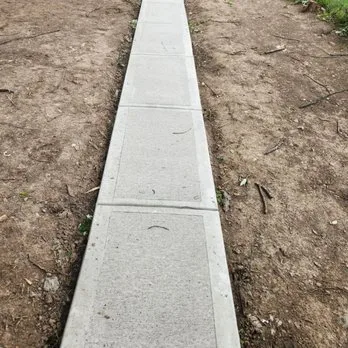

Four defenses protect St. Louis concrete from freeze-thaw damage: a penetrating sealer applied on schedule, drainage that moves water off and away from the slab, cracks caulked before winter, and deicers chosen carefully — never ammonium-based products. Together they attack the one thing every freeze-thaw failure needs: water sitting in the concrete.
Freeze-thaw is the reason two identical driveways poured the same summer in Ballwin can look twenty years apart by 2040. It isn't traffic, and it isn't luck — it's whether water was allowed to live inside the slab each winter. BTS Outdoor Solutions & More has been cleaning, sealing, and replacing concrete across the St. Louis area since 1995, and every spalled surface we're called to look at tells the same story. Here's how the damage works and the four habits that stop it.
How Does Freeze-Thaw Damage Actually Happen?
Concrete is porous, like a very hard sponge. Water soaks into those pores, and when it freezes it expands roughly 9%. Trapped in a rigid material, that expansion generates enormous internal pressure. One freeze rarely matters; dozens of freeze-and-thaw swings per Missouri winter fatigue the surface until it flakes apart — that's spalling.
St. Louis sits in the punishing middle of the freeze-thaw map: winters that repeatedly cross 32°F in both directions, sometimes within the same day. Each crossing is one more expansion cycle inside any concrete that's holding water — which is why the damage here outpaces both warmer and consistently colder climates.
The failure shows up in stages: first a dulled, sandy-feeling surface (scaling), then flaking that exposes the aggregate (spalling), then crumbling edges and widening cracks. By the time aggregate is showing across large areas, protection is no longer the conversation — repair or replacement is. Our driveway repair-or-replace guide covers how to make that call. Everything below is about never reaching it.
How Often Should You Seal Concrete in Missouri?
Penetrating (silane/siloxane) sealers: every 5–7 years. Topical acrylic sealers: every 2–4 years. Missouri freeze-thaw cycling is hard on topical films, which is why penetrating sealers are the usual recommendation for St. Louis driveways and walkways — they chemically block water absorption inside the pores rather than coating the surface.
Penetrating Sealer
5–7 yrsper application in MissouriSilane/siloxane chemistry soaks in and reacts within the pore structure. Invisible finish, no film to peel, and unaffected by plow blades or tire scrub. The workhorse choice for driveways exposed to road salt.
Topical / Acrylic Sealer
2–4 yrsper application in MissouriForms a surface film — often with a wet look or sheen that suits decorative and stamped work. Freeze-thaw and UV break the film down faster, so it needs more frequent renewal and can wear visibly in wheel paths.
Timing matters as much as product. Sealing wants surface temperatures held between roughly 50°F and 90°F with no rain or freeze inside 24 hours, which in St. Louis means May–June or September–October. Fall is the strategic window — the slab enters winter freshly protected. Preparation matters too: sealer locks in whatever it's applied over, so the slab needs a proper professional cleaning first (and if other surfaces on the property need attention, our pressure vs soft washing guide explains what gets cleaned how). New pours cure at least 28 days before any sealer, 90 days ideally for penetrating products.
Not sure whether your existing slab is still protected? Pour a cup of water on it. If the water beads or sits, the sealer is working; if it darkens the concrete and soaks in within a few minutes, the slab is drinking water — and it will do the same thing in January.
How Does Drainage Protect Concrete in Winter?
Freeze-thaw damage needs standing water, and drainage is how you deny it. A slab that sheds meltwater within minutes goes through winter nearly dry inside; a slab where water ponds in low spots — or where a downspout dumps onto it — soaks up exactly the water the next freeze will expand.
Three places to look before winter:
- Surface slope. Flatwork should fall about 1/4″ per foot away from structures. Ponding after rain marks the low spots where ice will form and freeze-thaw will concentrate — persistent ponds are also where settlement usually starts.
- Downspouts and roof runoff. A downspout discharging onto a driveway or patio or walkway keeps that patch of concrete saturated all winter, and it will fail first. Extensions that carry water past the slab edge cost almost nothing.
- Joints and edges. Control joints with failed caulk funnel water straight under the slab, where it freezes against the base. Water under the slab causes heaving and settlement — damage no surface treatment can prevent.
Hillside lots — common across Sunset Hills, Fenton, and Wildwood — add one more path: water migrating downslope against a slab or retaining wall. If a wall or slab edge stays damp days after rain, that's groundwater movement worth addressing before it becomes winter damage.
Which Deicers Are Safe for Concrete?
Never use ammonium sulfate or ammonium nitrate deicers — they attack concrete chemically and can destroy a surface in a single season. For traction with zero chemical risk, use plain sand. If melting is truly needed, calcium chloride is the least damaging common option, used sparingly — and nothing goes on concrete less than a year old.
Safer Choices
- Sand — pure traction, no melt, no chemistry; the only choice for first-winter concrete
- Calcium chloride — melts at very low temperatures; least concrete-aggressive of the common melters when used sparingly
- Calcium magnesium acetate (CMA) — gentler on concrete and landscaping; a solid choice for sealed residential flatwork
Avoid
- Ammonium sulfate / ammonium nitrate — chemically attack the cement paste itself; found in some fertilizer-type "melt" products
- Rock salt (sodium chloride) on new or unsealed concrete — increases freeze-thaw cycling and corrodes rebar as brine reaches it
- Anything in year one — new concrete is at its most vulnerable before full cure and first sealing
Read bagged product labels, not just brand names — "concrete safe" marketing sits on plenty of blends containing ammonium compounds. And whatever you use, rinse the residue off in spring: salt film left on the surface keeps pulling moisture into the slab long after the ice is gone.
Why Do Small Cracks Need Filling Before Winter?
Because every crack is a water entry point that bypasses the surface entirely. Water standing in a hairline crack freezes and wedges it wider; by spring the hairline is a gap, and by the next spring the gap has offset edges. Caulking cracks in fall is the cheapest concrete repair there is.
The right materials flex with the slab — polyurethane or silicone concrete caulks for working cracks and joints, backer rod first where gaps have widened. Rigid fillers crack out by February and give a false sense of security. The same fall pass should renew any failed control-joint caulk, since joints carry most of a slab's water when caulk fails.
A realistic pre-winter checklist for any St. Louis driveway or patio:
- Test for sealer with the water-bead check; schedule sealing in the fall window if the slab soaks.
- Caulk cracks and joints with flexible polyurethane or silicone before the first hard freeze.
- Extend downspouts past the slab and fix any spot that ponds after rain.
- Stock sand (and a concrete-safe melter if you need one) so a January ice storm doesn't send anyone to the ammonium aisle.
- Rinse in spring — get the winter salt film off before summer bakes it in.
None of it is complicated, and all of it together is the difference between a driveway that quietly lasts four decades and one that becomes a replacement project at fifteen years. If your concrete is already showing scaling or spalling, we'll tell you honestly whether protection, repair, or replacement is the right money — that assessment is part of every free estimate.
Freeze-Thaw Protection FAQ
Can one bad winter really damage unsealed concrete?
Yes — especially newer concrete or a slab that went into winter saturated. A single season of repeated freeze-thaw cycling with deicer exposure can start visible scaling on an unsealed surface. Damage is cumulative and accelerates: once the surface opens up, water gets in more easily and each following winter does more harm than the last.
Can spalled concrete be repaired, or does it need replacement?
Small, shallow spalled areas can be patched or resurfaced with a polymer-modified overlay once the loose material is removed. Widespread spalling — flaking across large portions of the slab — usually means the damage runs deeper than the surface, and resurfacing over it fails quickly. At that point replacement is the more economical path.
When should concrete be sealed in St. Louis?
Late spring (May–June) or early fall (September–October), when temperatures hold between 50°F and 90°F and no rain or freeze is forecast within 24 hours of application. Fall is the strategic choice because the slab enters winter with fresh protection. New concrete must cure at least 28 days first — 90 days is ideal for penetrating sealers.
Is rock salt safe on sealed concrete?
A sealed slab tolerates occasional rock salt far better than an unsealed one, because the sealer blocks the brine from soaking in. It still isn't harmless — salt-saturated meltwater increases freeze-thaw cycling at the surface. Use the minimum needed for safety, rinse residue off in spring, and never use any deicer on concrete less than a year old.